
Freeriding in Japan: Travel tips that make your powder trip a lot more relaxed
Japan is at the top of many freeriders’ bucket lists. The mix of consistent snowfall, deep powder, mellow tree runs, and a fascinating culture makes it one of the most exciting winter destinations in the world. At the same time, a lot works differently than in Europe. If you’re traveling to Japan for the first time, you shouldn’t just look at snowfall maps and ski resorts, but also the small details of day-to-day travel. Those details often decide whether your trip runs smoothly or becomes unnecessarily complicated.
The Suica Card: the Swiss Army knife of everyday life in Japan
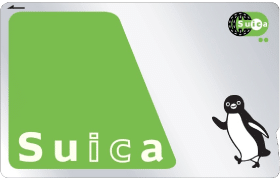
If you’re getting around Japan, you’ll quickly notice that public transport is excellent—but at first glance, a bit confusing. That’s where the Suica Card comes in. This digital prepaid card works in almost all major cities and saves you from constantly buying individual tickets. Whether it’s the subway in Tokyo, a regional train in Sapporo, or a bus to the next ski resort, in most cases a quick scan at the ticket gate is enough—and there are gates on both entry and exit, so the fare is calculated automatically. Unthinkable with ÖBB.
What’s especially handy is that the card is no longer just for public transport. Many restaurants, vending machines, supermarkets, and convenience stores also accept Suica as payment. If you have an iPhone, you can add the card directly to Apple Wallet and top it up easily by credit card.
You can find more information here:
Suica Card information
Why nobody in Japan transports their ski luggage themselves
Many Europeans make the same mistake on their first trip to Japan: they lug their ski or snowboard bag through airports, train stations, and crowded platforms. In Japan, that’s almost exotic. Most locals use luggage delivery services instead—above all Yamato Transport, better known as Kuroneko (Black Cat).
The system is surprisingly simple. You drop your gear off at the airport, your hotel, or a service counter, and it’s sent directly to your next accommodation. While your luggage is on the way, you travel on relaxed with just a small backpack. Especially for transfers between Tokyo and the various ski areas, this saves a huge amount of stress.
Delivery usually takes just one day (but to be safe, plan for 2) and costs far less than many travelers expect. If you’re visiting multiple places, you won’t want to go without it after the first transfer. You can also send your luggage with a delay of up to 6 days. This is especially handy if you spend a few days in Tokyo and then head on to the ski resort.
Shinkansen or domestic flight?
In Japan, the choice between train and flight depends heavily on your destination. For regions like Hakuba, Nozawa Onsen, or Myoko, the famous Shinkansen is the best option. The high-speed trains are punctual, comfortable, and get you from the greater Tokyo area into the mountains within a few hours.
Hokkaido is different. Even though there is now a Shinkansen connection to Hokkaido, most powder hunters opt for a domestic flight. Sapporo’s airport is served daily by numerous routes, and it’s often surprisingly affordable.
Especially interesting for freeriders are ANA and JAL, which often offer generous baggage allowances for sports equipment. There are also several budget alternatives, including Air Do, Peach Aviation, and Jetstar Japan. Especially if you book a few weeks in advance, low-cost carriers like Jetstar can even be cheaper than the Shinkansen. However, you need to add excess baggage and ski baggage online when booking—otherwise it gets more expensive.
Airbag backpack on a plane to Japan? No problem if you’re prepared
Many freeriders take their avalanche airbag with them to Japan. Generally, this is possible without any issues, but regulations vary depending on the airbag system and the airline.
Electronic airbags (e.g., Ortovox LiTRIC, Mammut E2, Alpride E2, or Black Diamond JetForce) are usually easy to transport. Since they use lithium batteries, they normally belong in your carry-on luggage. We recommend printing out the technical data sheet or the manufacturer’s information sheet and having it ready at the security check.
Airbags with pressure cartridges require a bit more preparation. The International Air Transport Association (IATA) generally allows the transport of one avalanche airbag including one cartridge per person. However, the cartridge must be stowed in the backpack, disconnected from the trigger system, and secured against accidental activation. Most importantly: Every airline is allowed to set its own rules and can refuse transport despite IATA approval. Therefore, you should definitely register the airbag with the airline before your trip—ideally with written confirmation.
We recommend transporting cartridge airbags in checked luggage, as this ensures the smoothest process with many airlines. The manufacturer’s information sheet and the relevant IATA documents should be printed and kept in the backpack, with an additional copy in your carry-on.
A very good overview of the current regulations as well as the relevant documents can be found here, for example, for Mammut airbags.
Cash isn’t dead—having the right card saves you a lot of money
Even though Japan has become much more digital in recent years, you shouldn’t rely on being able to pay by credit card everywhere. Especially in smaller restaurants, traditional ryokans, local bars, small onsens, or remote mountain regions, cash still plays an important role.
Luckily, withdrawing cash is straightforward. ATMs in 7-Eleven branches are almost a traveler’s insider tip, as they usually accept international cards without any issues.
Many Japan travelers now use debit cards from N26 or Wise. The big advantage is favorable exchange rates and often significantly lower fees compared to traditional banks. Especially on longer stays, poor exchange rates can quickly add up to several hundred euros in extra costs.
Still, it’s always a good idea to bring at least two cards. A lost or blocked card can otherwise quickly become a problem.
The importance of convenience stores
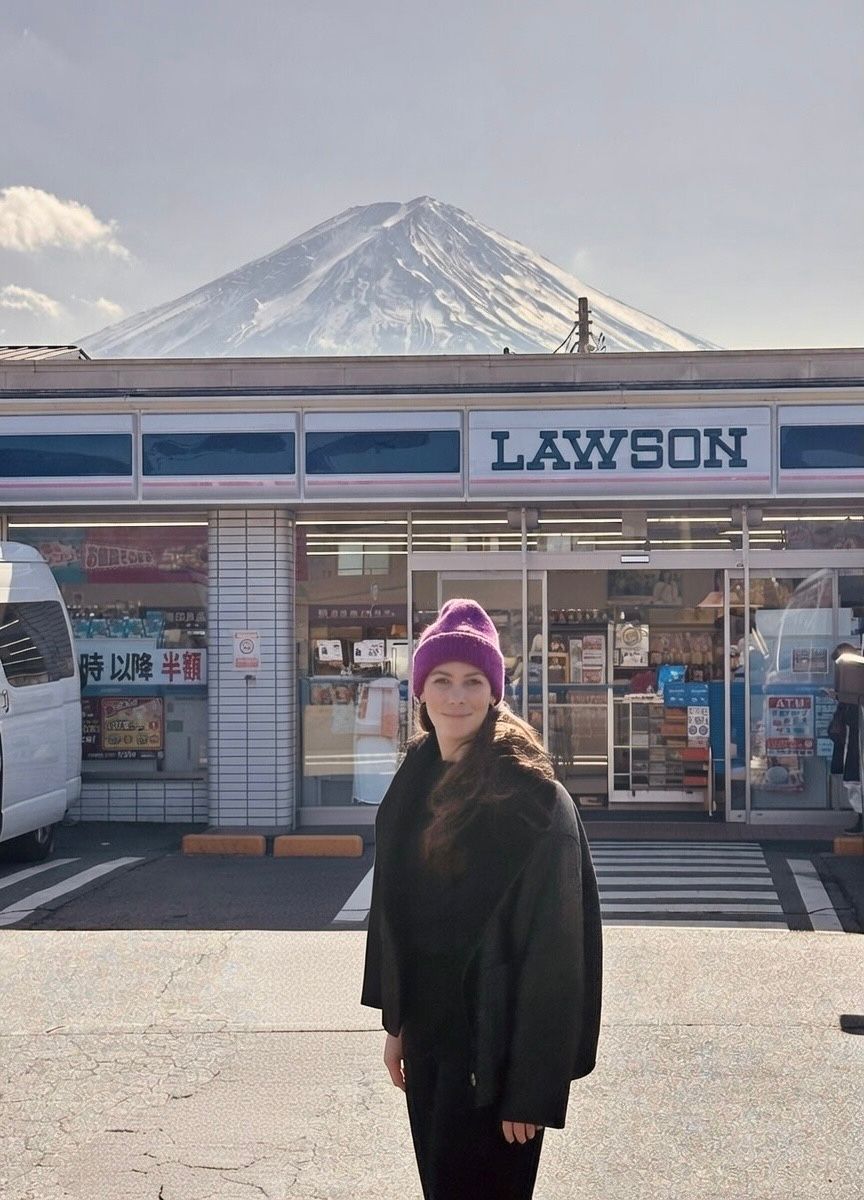
Many travelers underestimate how important convenience stores are in Japan. While gas-station shops or kiosks in Europe are often just a last resort, chains like 7-Eleven, FamilyMart, or Lawson are a fixed part of everyday life.
For freeriders, they’re often the first stop in the morning. You’ll find fresh coffee, hot meals, sandwiches, and the famous onigiri—perfect as a snack for a ski day. At the same time, you can withdraw cash, send parcels, or take care of small errands.
If you’re traveling around Japan for several weeks, you’ll probably visit a convenience store more often than a classic restaurant.
Coin laundries: the insider tip for longer trips to Japan
If you’re traveling through Japan for two or three weeks, you don’t need fresh clothes for every day in your suitcase. Coin laundries are part of everyday life in Japan and can be found almost everywhere. These self-service laundromats are usually clean, modern, and often open 24/7.
Many machines combine washing and drying in a single cycle. While you go out for a relaxed meal or grab a coffee, the laundry basically takes care of itself.
Freeriders benefit hugely from this. Less luggage means easier transfers and much more relaxed travel.
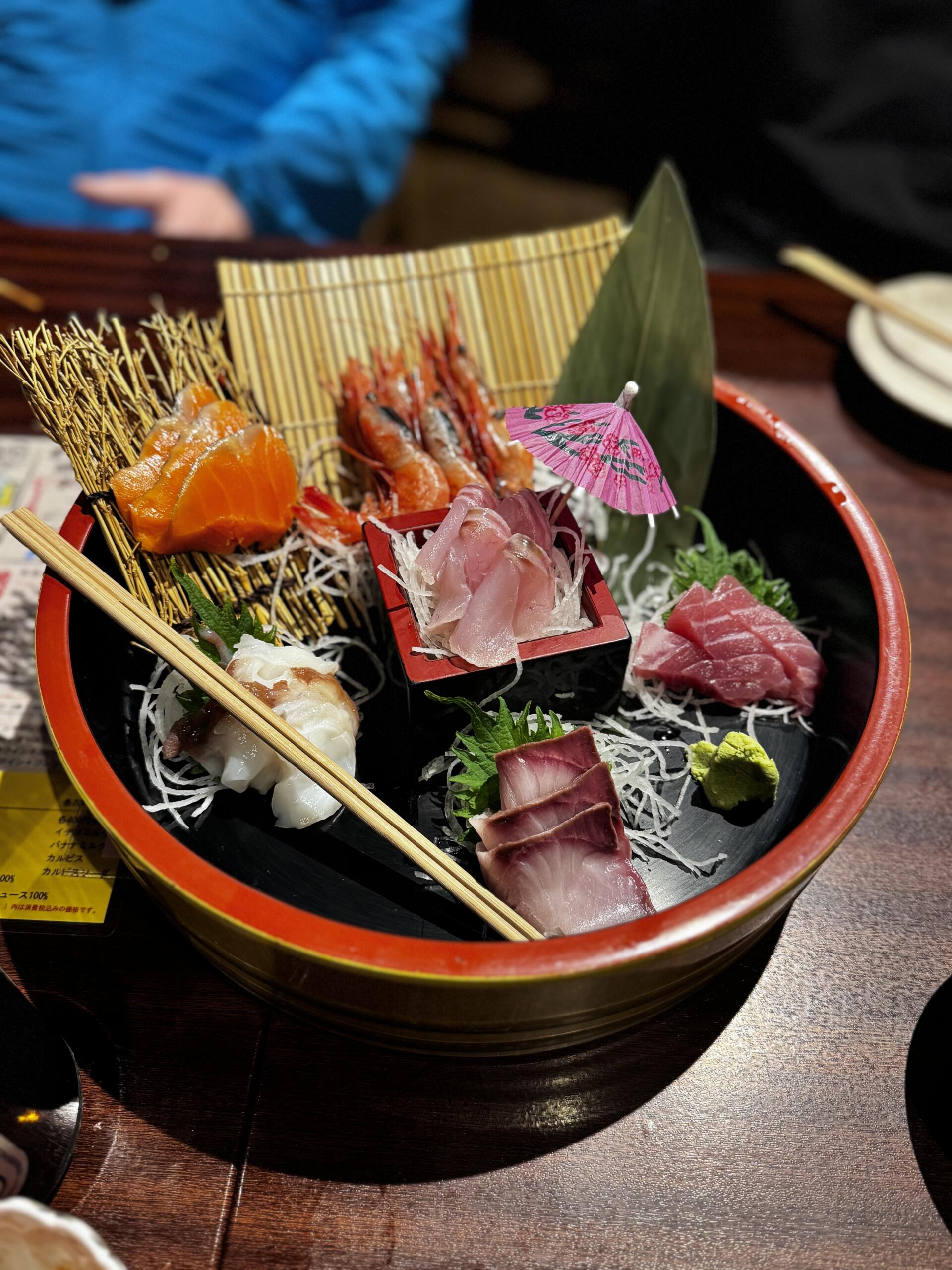
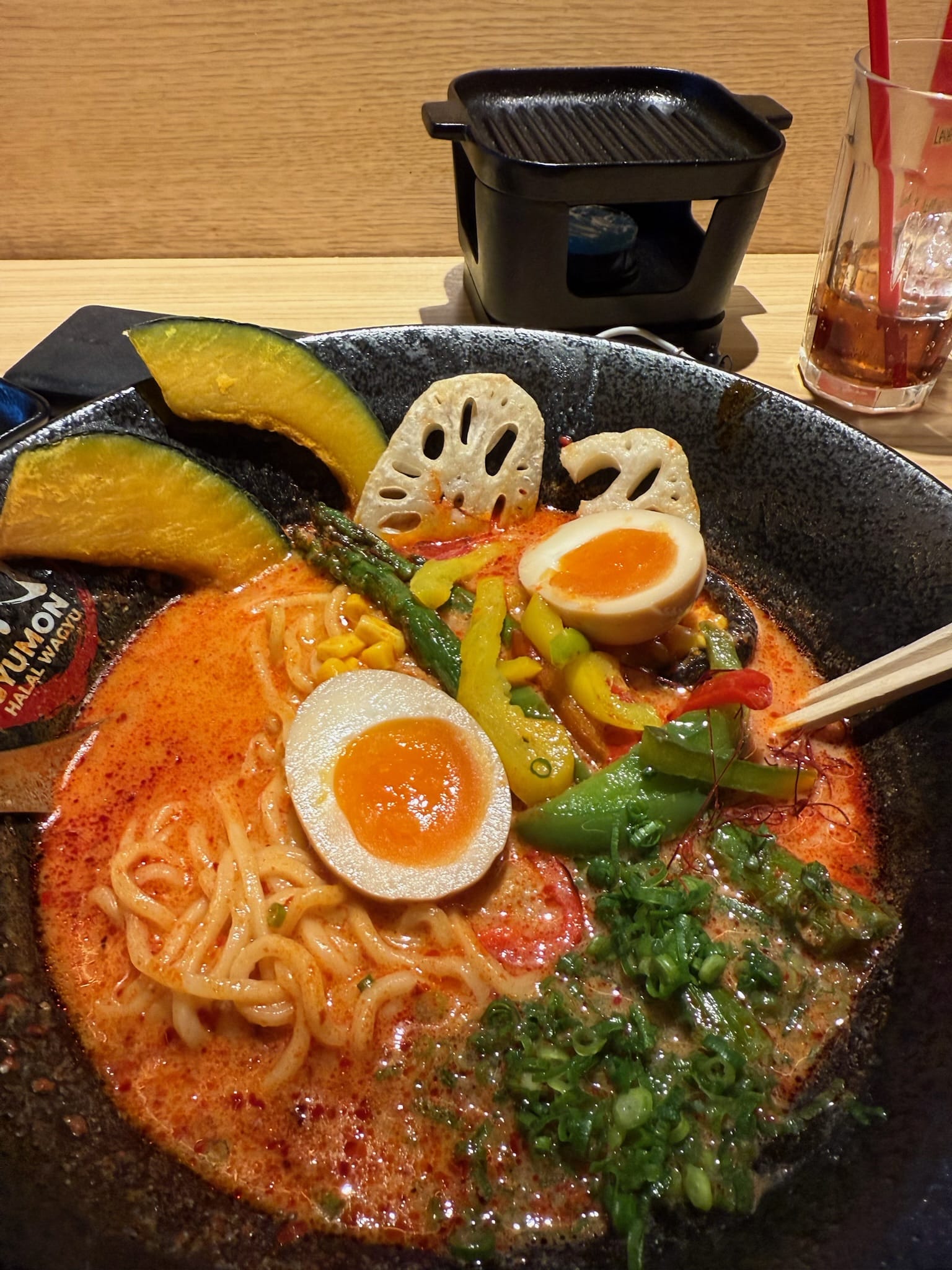
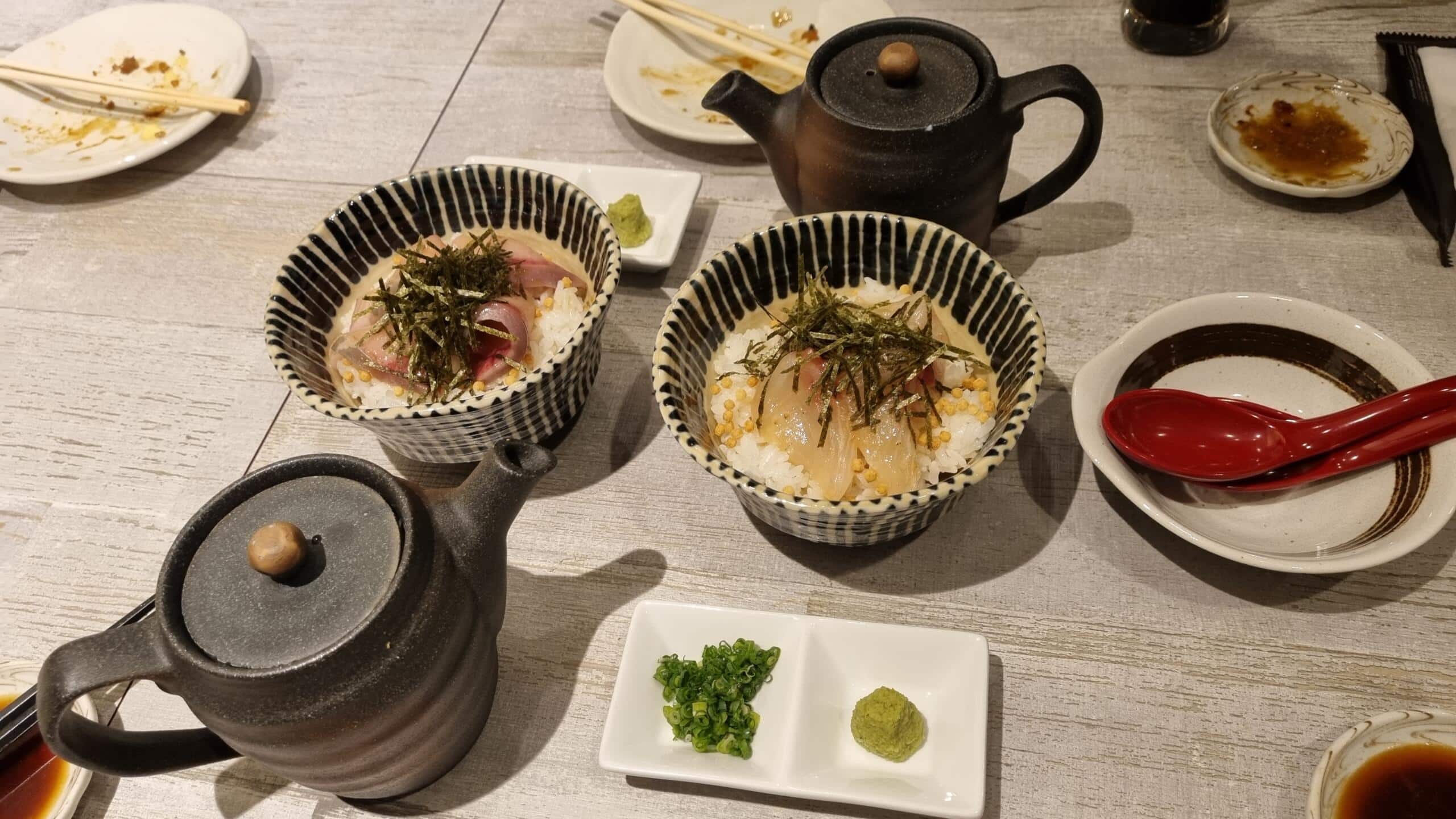
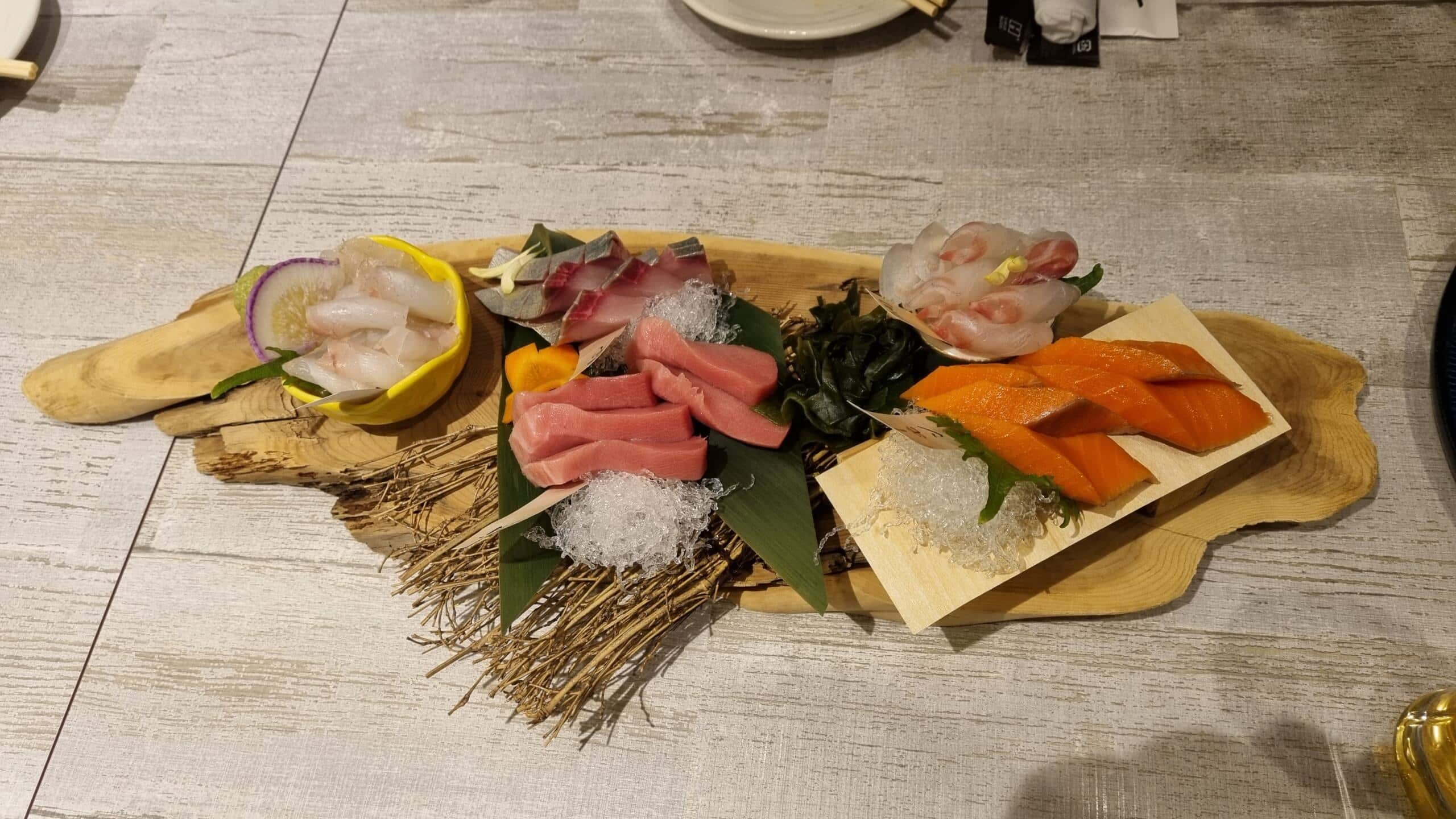
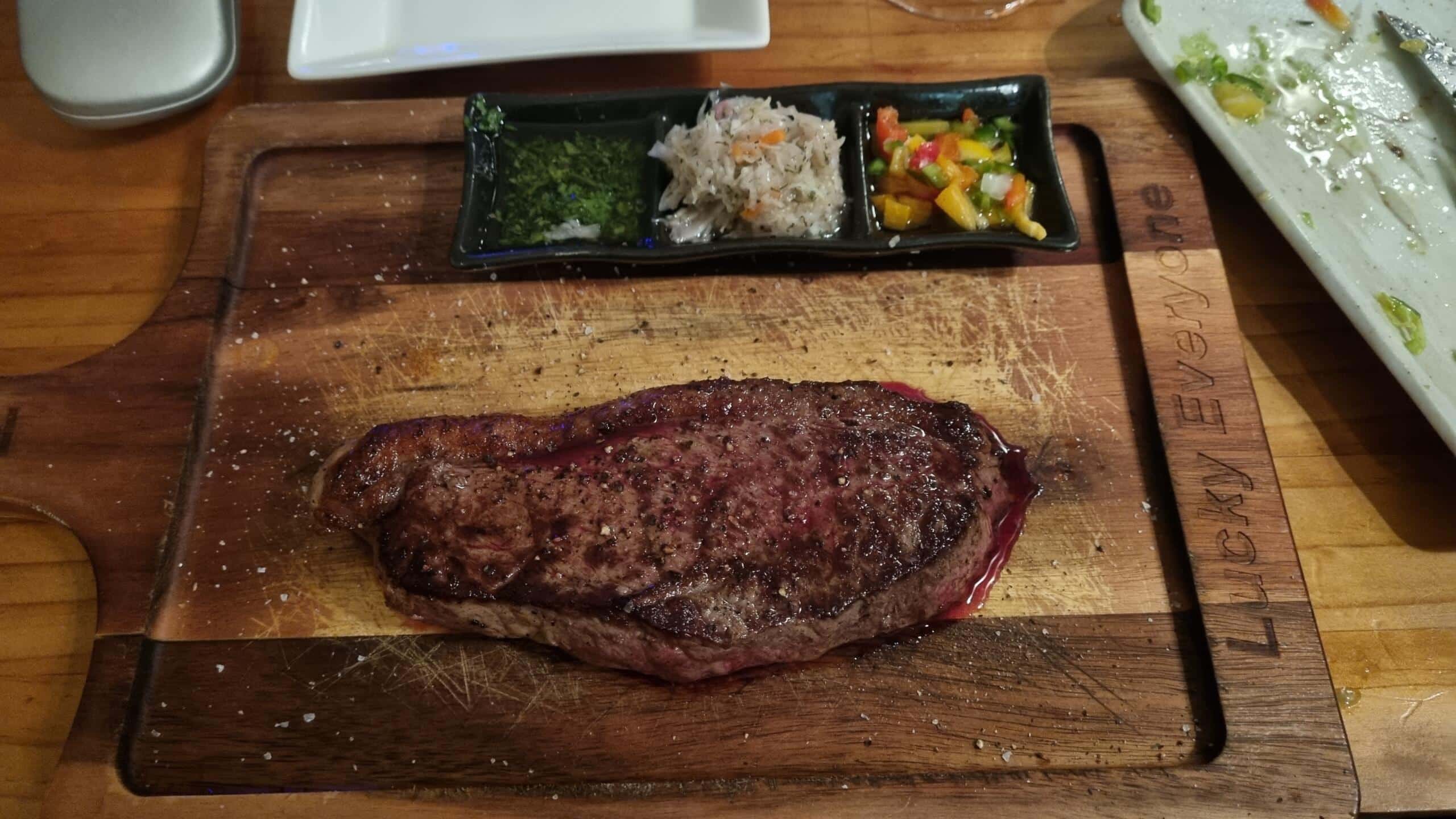
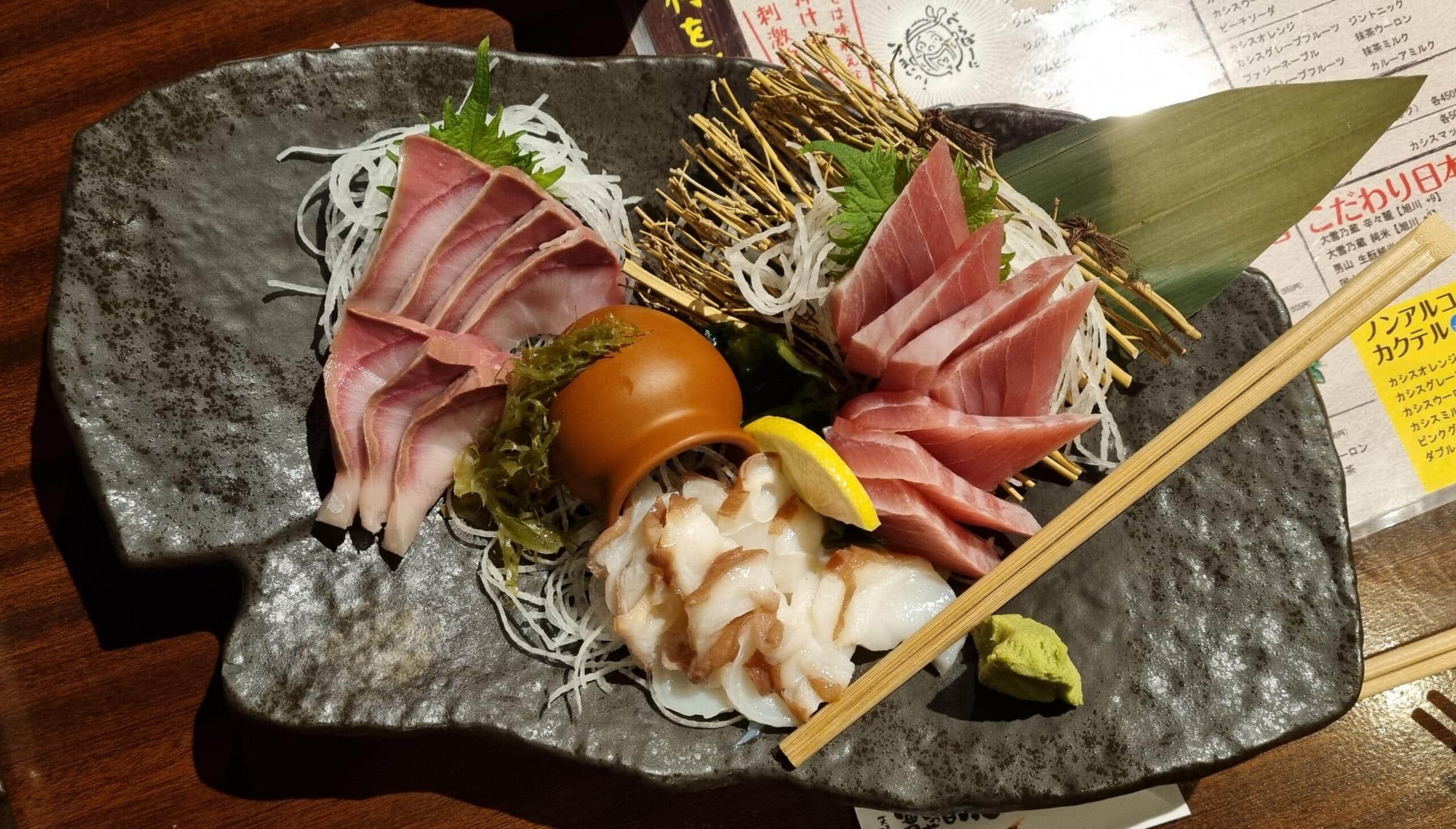
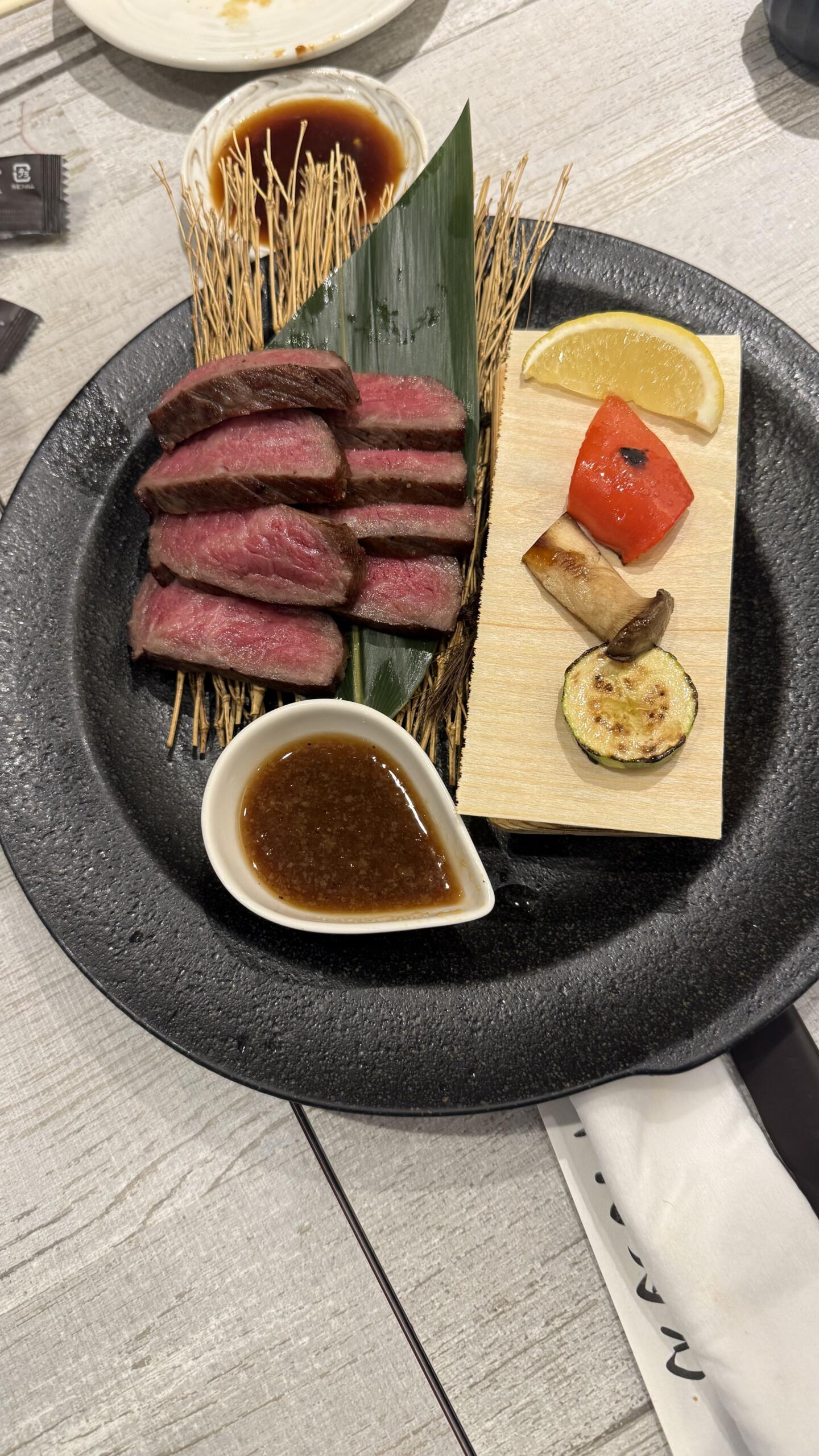
Eating in Japan: more than just sushi
Many visitors expect to eat sushi every evening. In reality, sushi plays a much smaller role in everyday Japanese life than many people think.
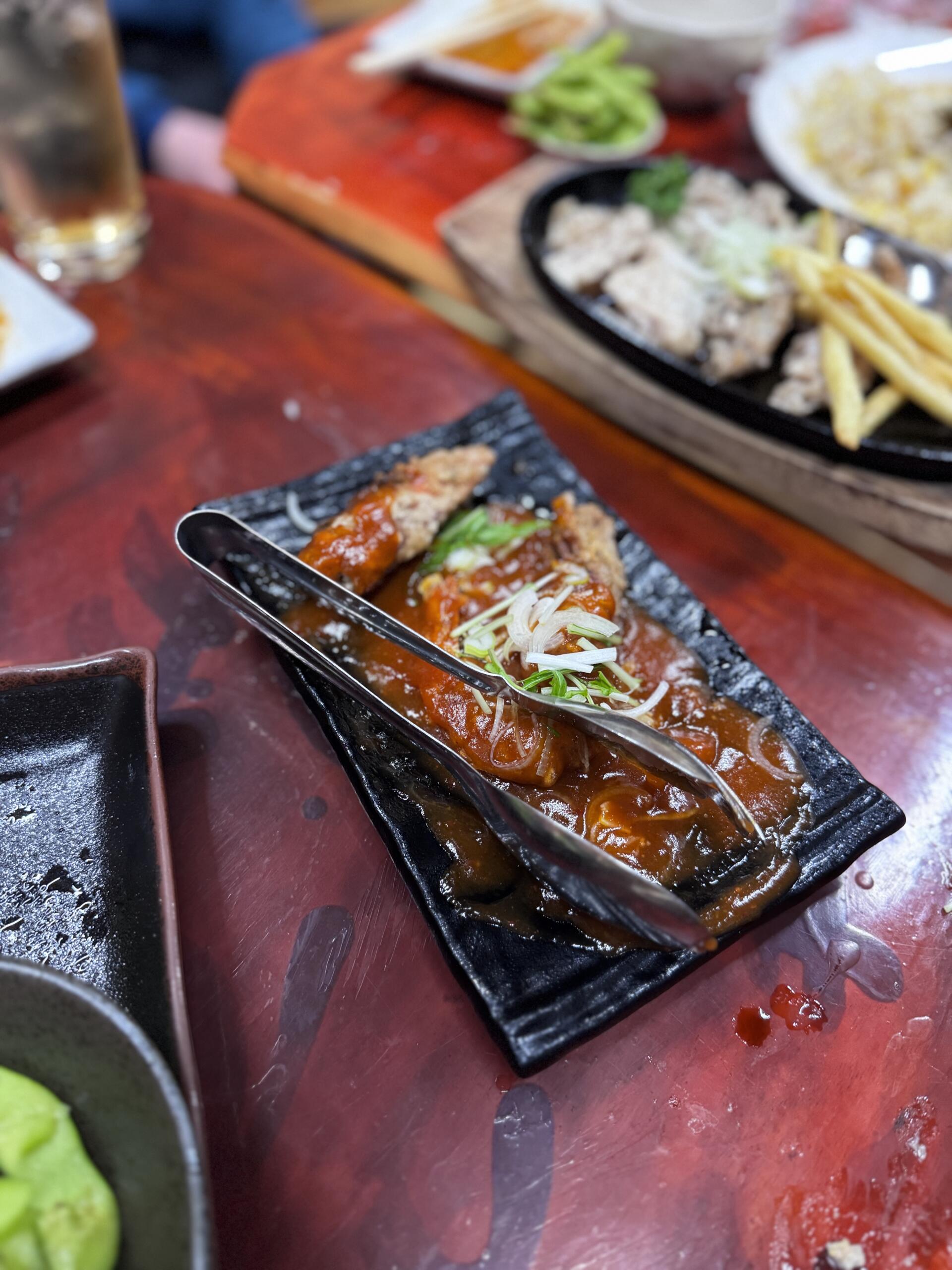
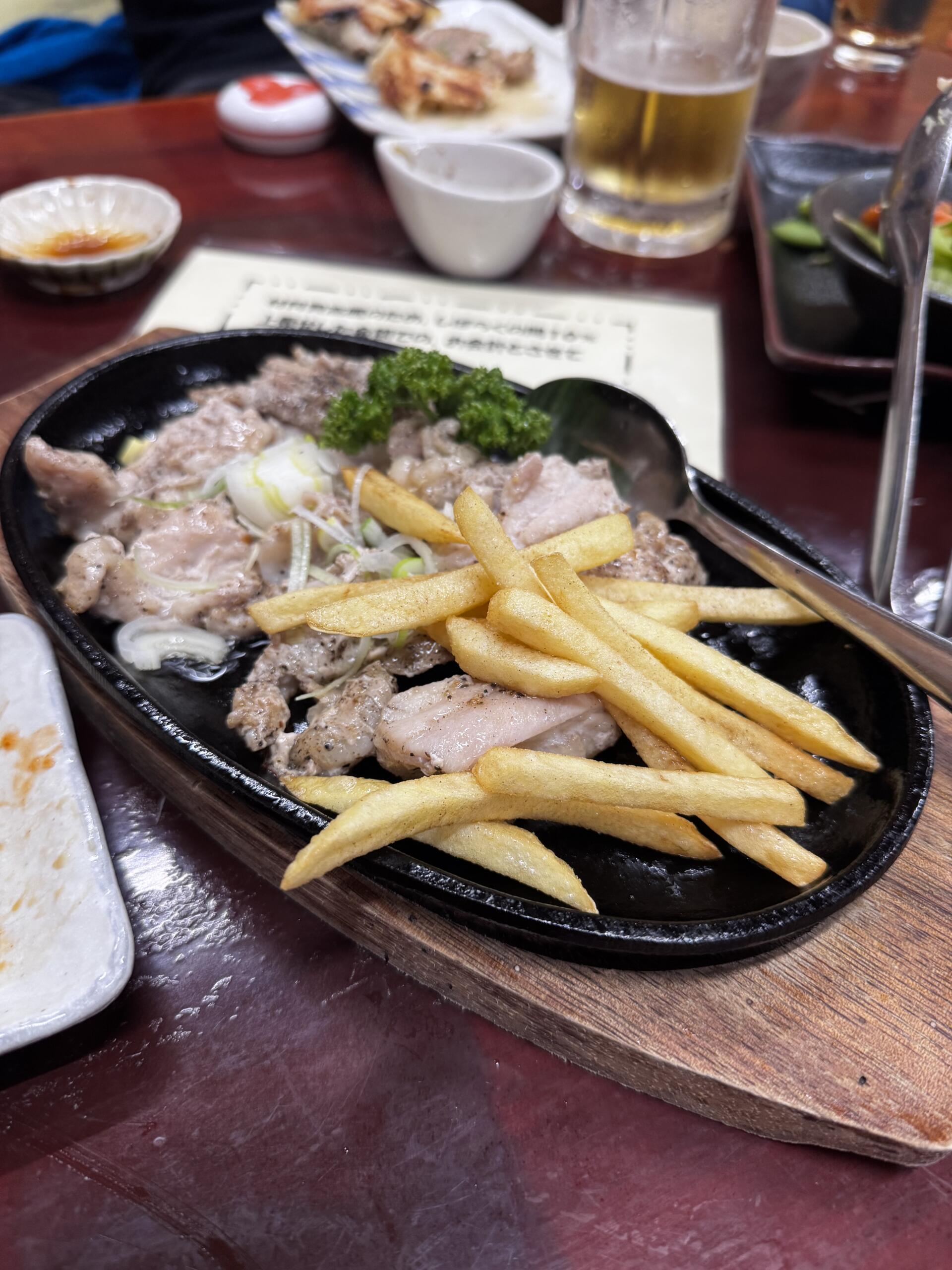
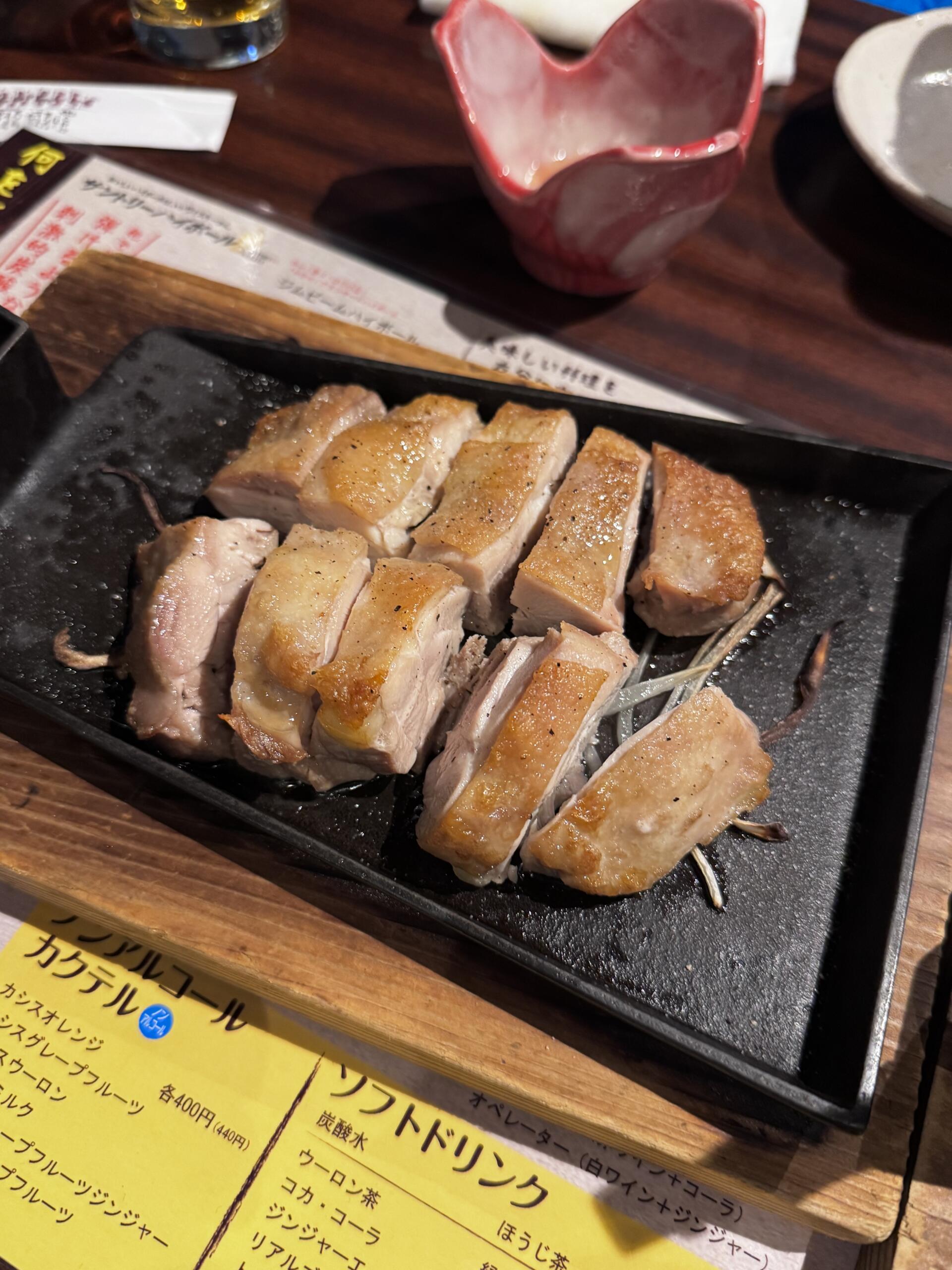
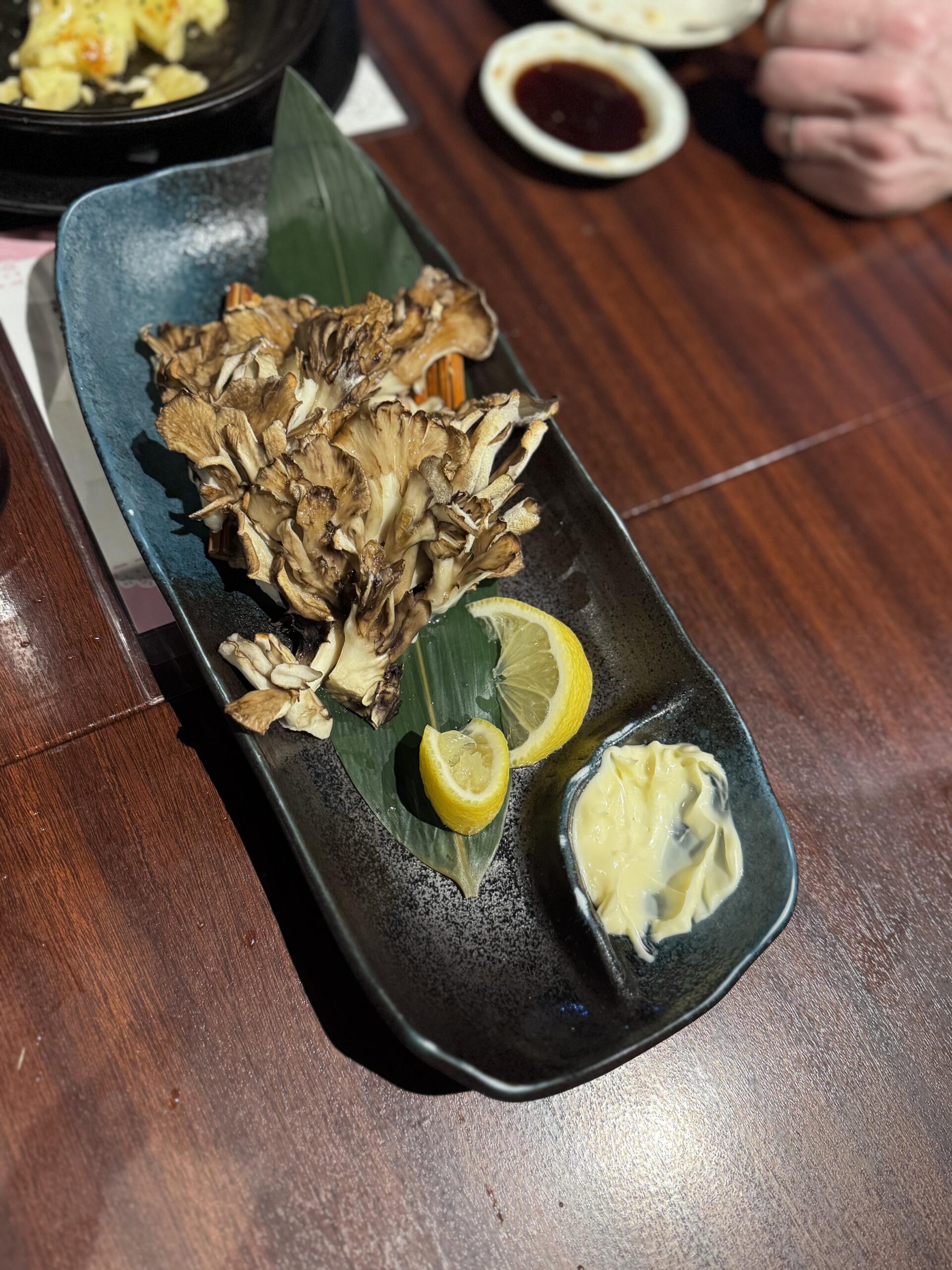
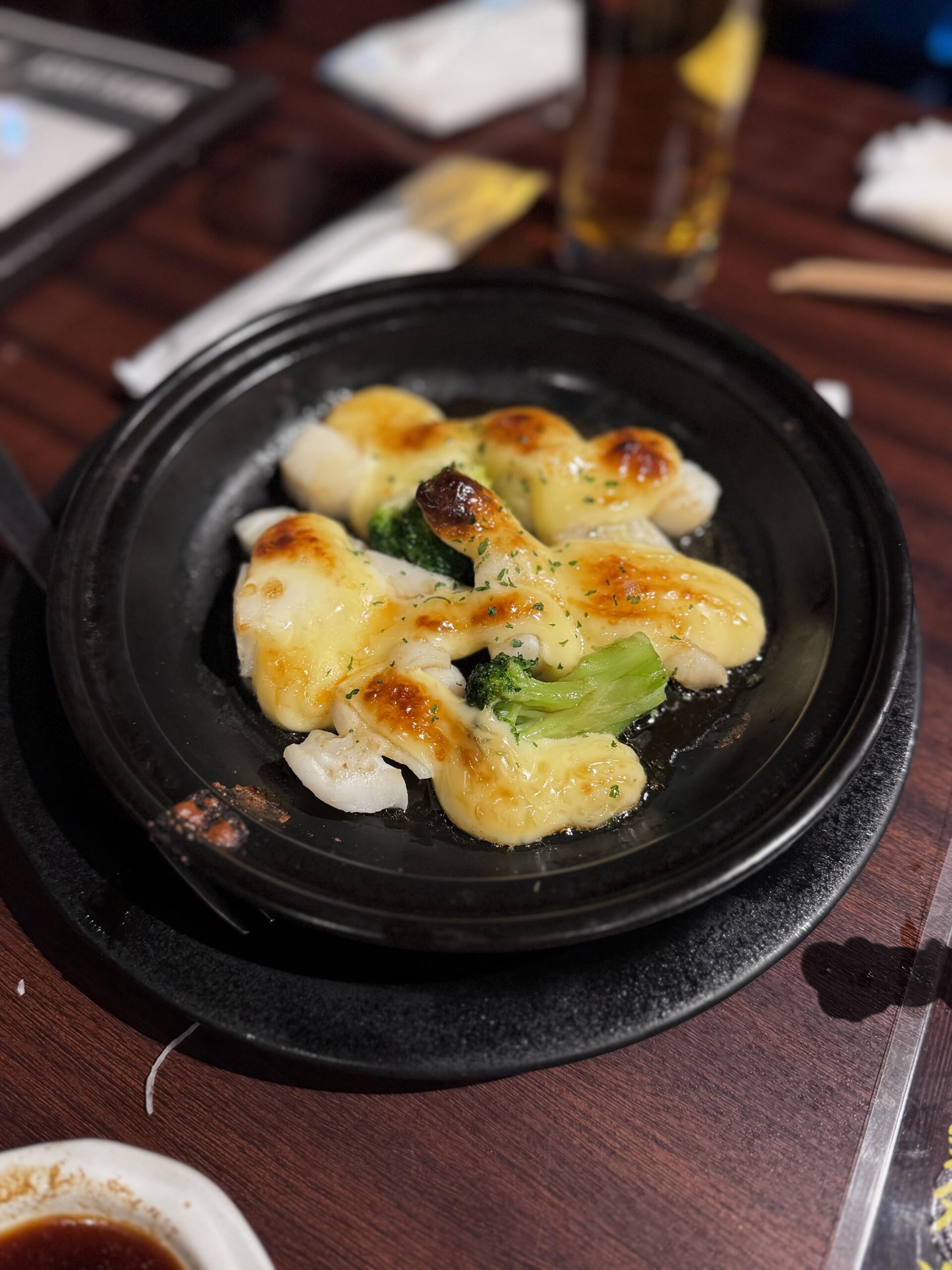
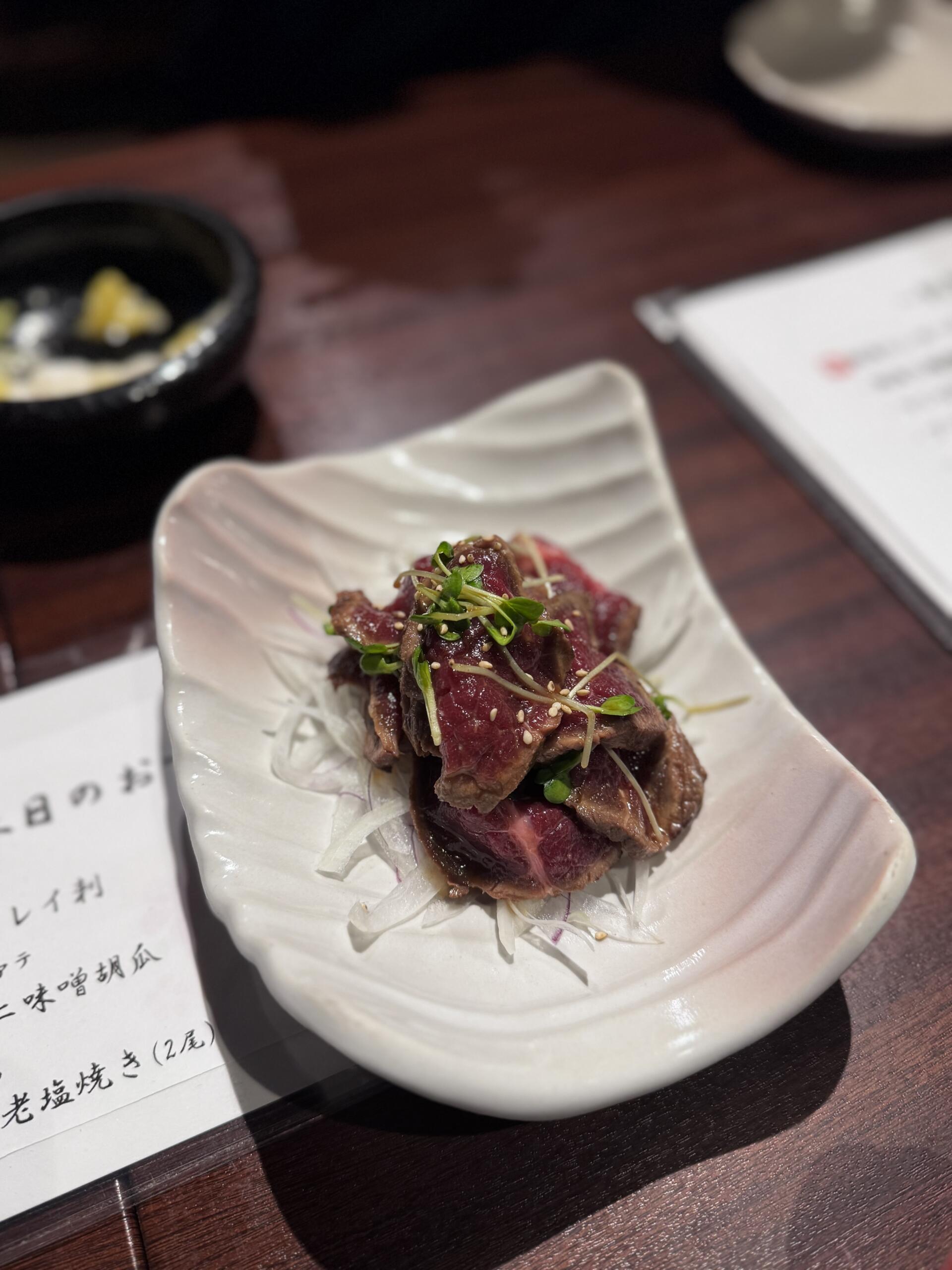
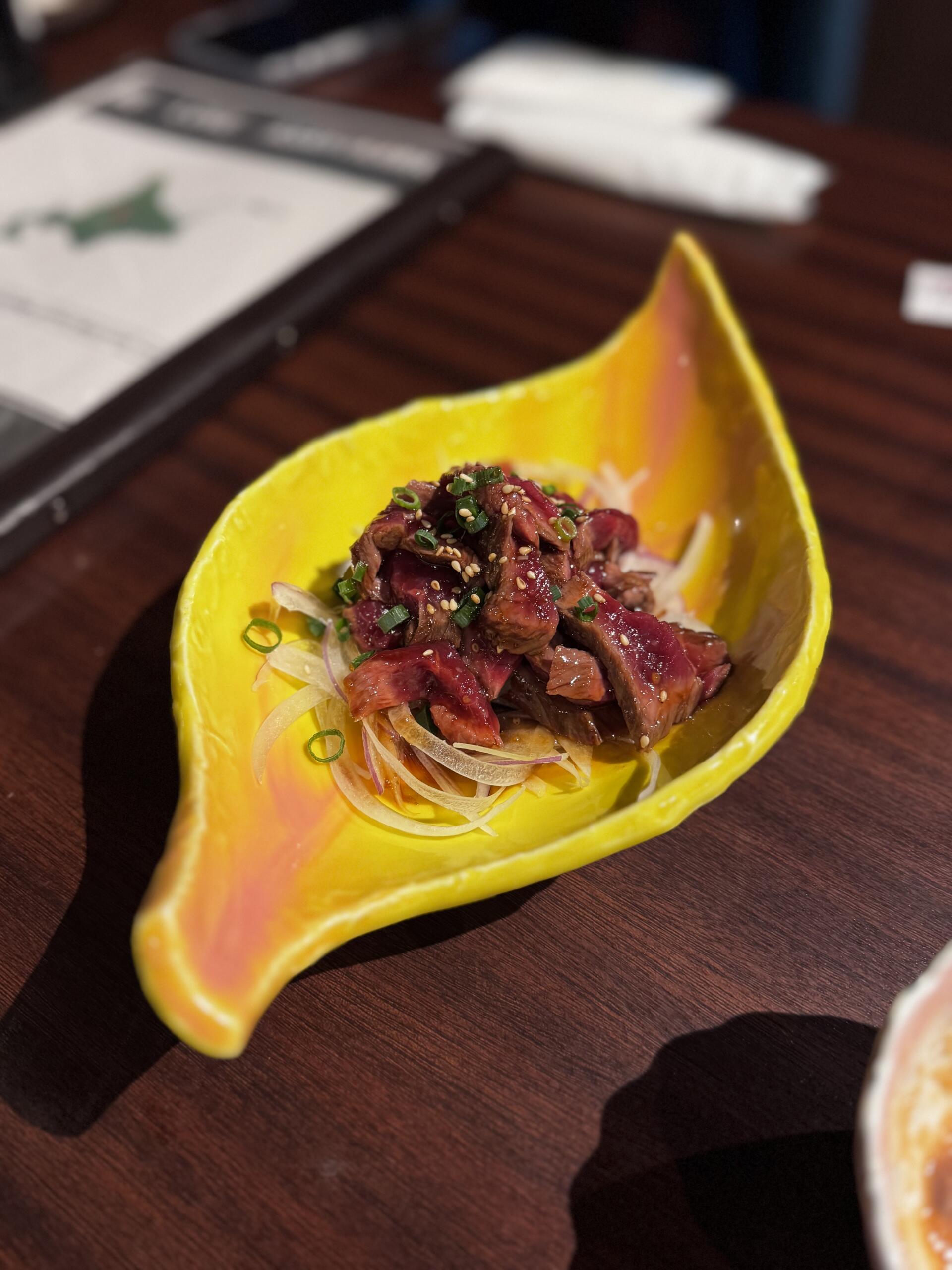
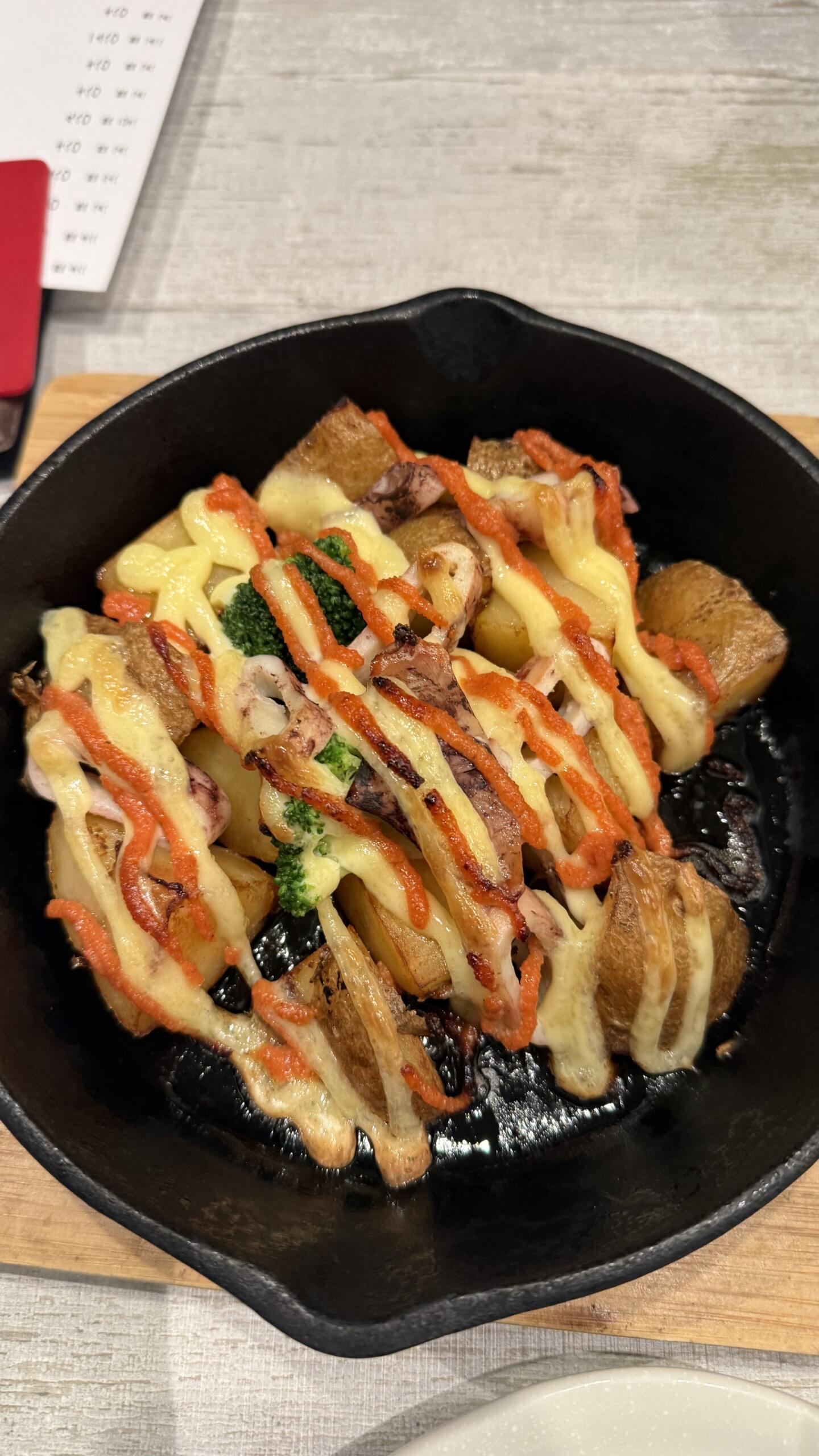
Izakayas are especially popular. After a long powder day, you’ll meet locals, seasonal workers, and freeriders here over beer, sake, or a highball. By the way, it doesn’t go down well if everyone at the table wants to pay separately. It’s best to order lots of dishes, share them, order more if you want, and pay one total bill at the end—then split it evenly among yourselves afterward for simplicity.
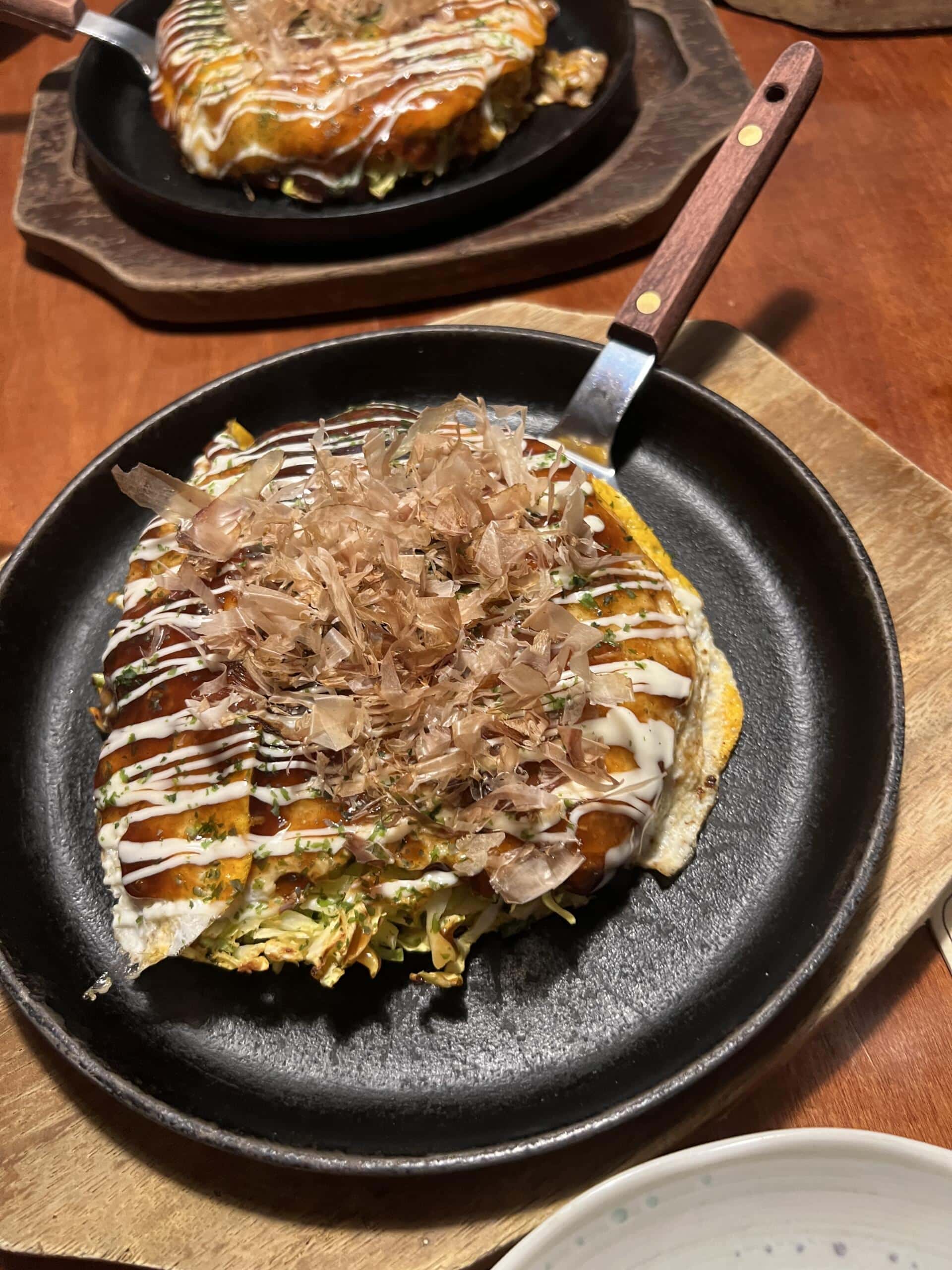
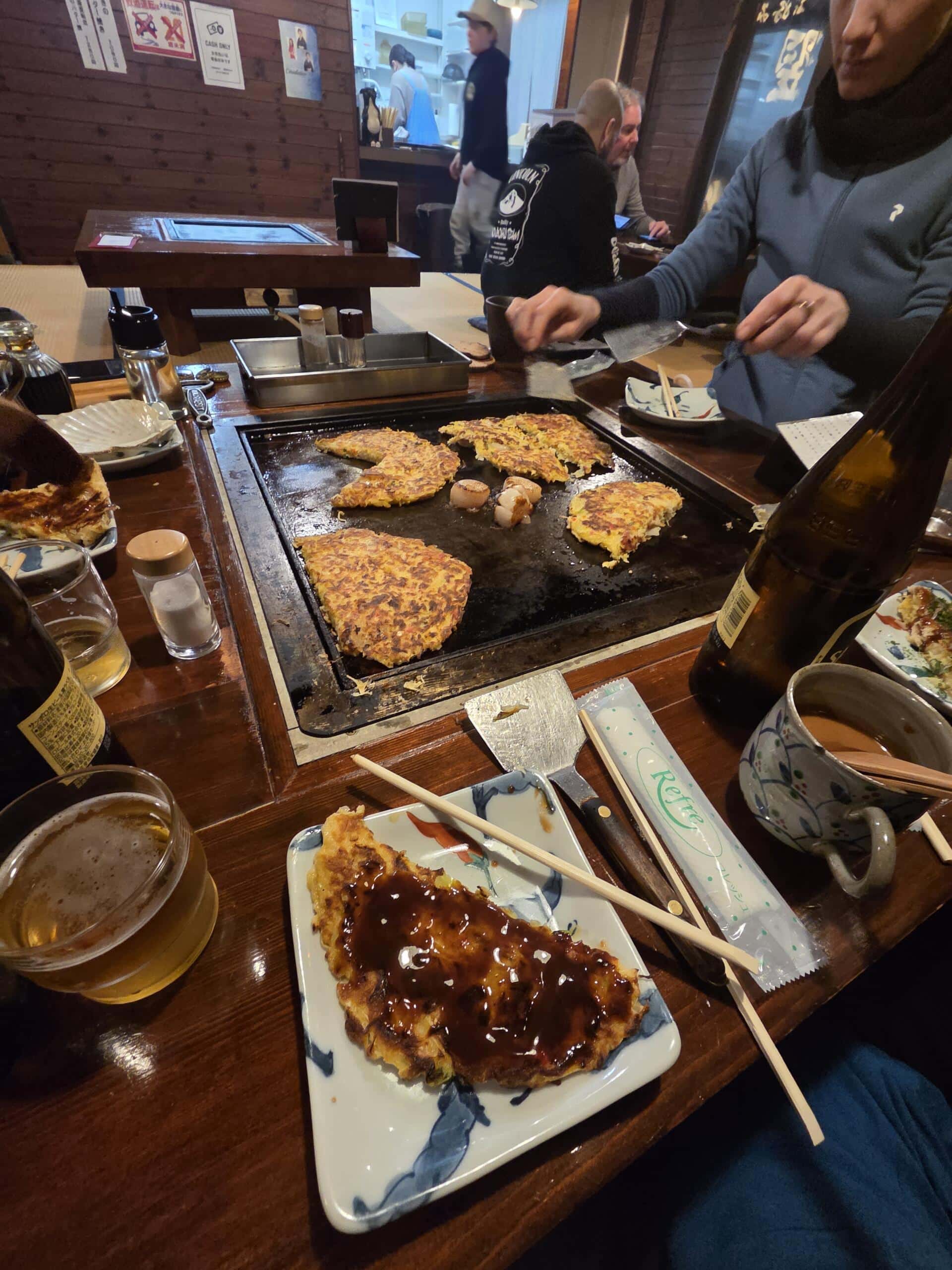
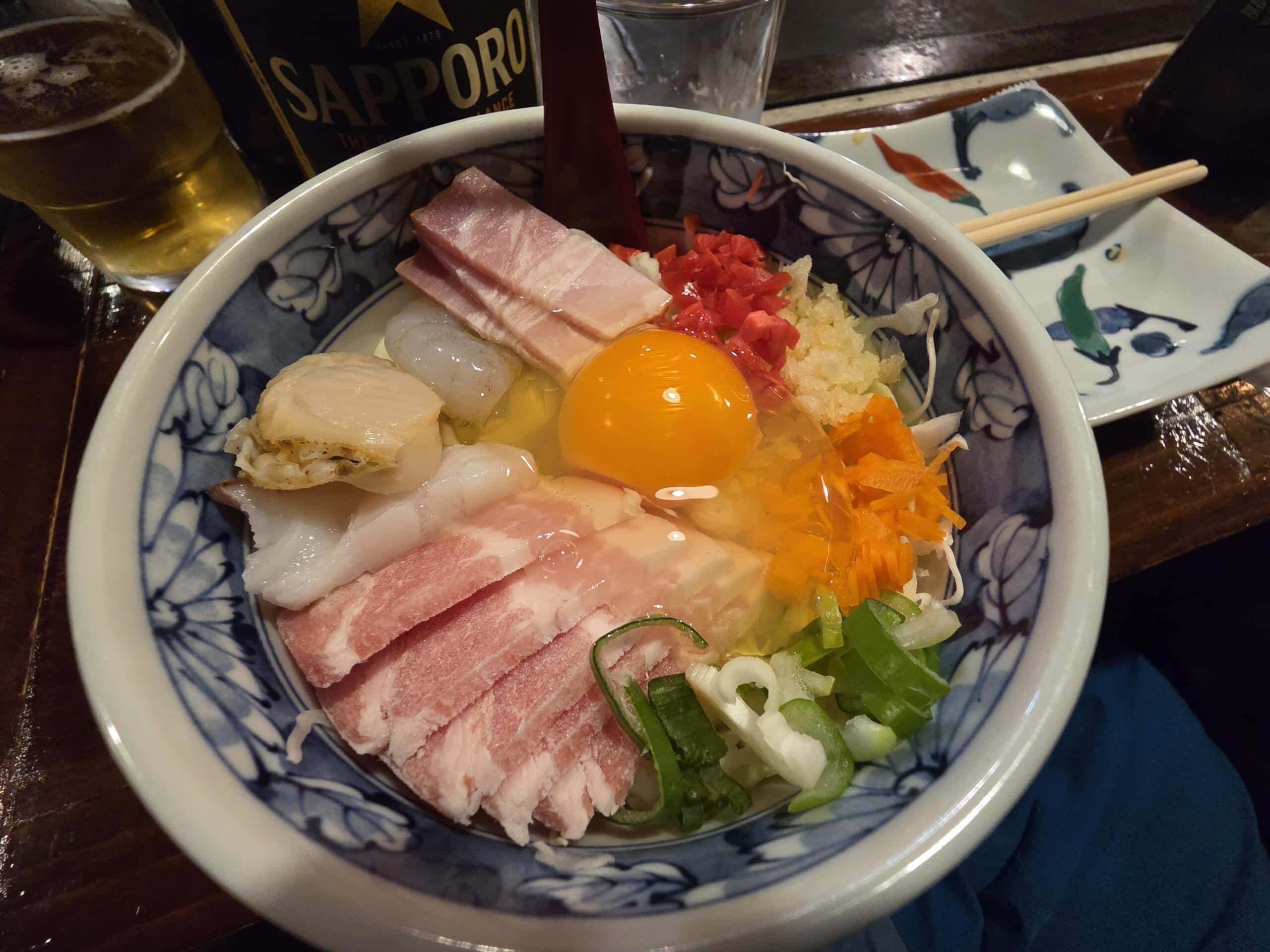
Ramen restaurants are just as common. The hearty noodle soups are cheap, filling, and perfect after a cold day in the snow. There are also soba and udon spots, yakiniku restaurants with a grill right at the table, and curry houses serving Japanese curry. Okonomiyaki should definitely make your to-do list, too.
If you’re open to trying new things, you’ll quickly realize that Japanese cuisine has far more to offer than sushi—and will probably be one of the highlights of any trip.
Mountain rescue and recovery costs: what you really need to know
Another key difference from the Alps is emergency calls and the rescue chain. In Austria, many mountain athletes know 140 for mountain rescue and the Europe-wide emergency number 112. In Japan, there is no comparable nationwide mountain rescue number.
The most important emergency numbers are 110 for the police and 119 for fire and ambulance services. In a backcountry emergency, the police are often contacted first and then coordinate the necessary rescue organizations. Depending on the region, this can involve police, fire services, ski patrol, local rescue services, or volunteer search teams.
Especially in remote areas of Hokkaido or northern Honshu, rescue can take significantly longer than many European freeriders are used to. Deep snow, poor visibility, heavy snowfall, and long distances make search and rescue operations much more difficult. If you’re outside resort boundaries, you shouldn’t assume help will be available quickly.
Another important point is the language barrier. While someone usually speaks English in tourist ski resorts, that’s not always the case with local emergency call centers or responders. It’s therefore a good idea to have the name of the ski resort, your accommodation, and key emergency information saved on your phone. Installing an offline map is also helpful.
Especially in remote regions of Hokkaido, there are valleys and forest areas with no mobile reception. While this is usually just a comfort issue in the Alps, in Japan it can be crucial in a real emergency. In larger groups, ideally at least one person should carry a satellite communication device such as a Garmin InReach.
The most important rule remains the same everywhere in the world: if you place an emergency call, provide as precise information as possible about your location, the number of injured people, the type of injuries, and current weather conditions. Because rescue operations in Japan’s backcountry are often organized much more complexly than in the Alps, accurate information can save valuable time.
Especially important: search and rescue operations can incur significant costs. A helicopter deployment (if, surprisingly, the weather is flyable) or a larger search operation can quickly cost several thousand euros. If you’re heading into Japan’s backcountry, never travel without suitable insurance.
Insurance for freeriders in Japan
Probably the easiest and most affordable cover for Austrian freeriders is membership in the Alpine Club. The Alpenverein Weltweit Service covers recovery costs from difficult terrain worldwide up to €25,000. Helicopter recoveries are included as well. In addition, repatriation costs from abroad are included with no limit.
However, it’s important to know that the foreign travel health insurance only applies for the first eight weeks of a trip and benefits are limited. If you’re traveling longer or want maximum security, you should check the terms carefully and top up if needed.
Avalanche bulletins: available, but not at Alpine level
Many European freeriders start their day with the avalanche bulletin. In Austria, Switzerland, or South Tyrol, the reports are based on a dense network of weather stations, observers, and snowpack analyses.
Avalanche information also exists in Japan, but it’s usually much less detailed. One of the most important sources is the Japan Avalanche Network.
The information is helpful, but it shouldn’t be compared to the highly developed avalanche warning services in the Alps. The areas are huge, there are fewer observers, and many regions have far fewer measuring stations.
Onsen: the perfect end to a powder day
Hardly anything is as much a part of a trip to Japan as visiting an onsen. Sitting in hot spring water after a day in deep powder is an experience that many guests enjoy almost as much as skiing itself.
However, there are a few rules visitors need to follow. Before entering the baths, you wash thoroughly. Swimwear isn’t used in traditional onsens, and towels don’t go in the water. If you have tattoos, check in advance whether the facility allows them. In most onsens this is no longer an issue, but in some it still is—and then you’ll have to stay out if the tattoos are too large to cover.
Lift tickets in Japan: often cheaper online, but not always easy
If you’re spending several days at a Japanese ski resort, you should look into lift tickets before you arrive. Unlike many European ski resorts, Japan often offers attractive discounts for online bookings. Depending on the resort, you can save a few percent compared to buying at the ticket office.
The challenge is that booking systems aren’t always designed for international guests. Some resorts sell tickets directly via their own website, others use external platforms or Japanese booking systems that are only partially available in English. Sometimes only certain credit cards are accepted, or registration requires a Japanese phone number.
On top of that, Japan’s ticket options are often much more confusing than in Europe. Besides classic day passes, there are multi-day passes, point cards, gondola passes, regional network tickets, and frequent special deals. If you take a bit of time, you can definitely save money—but you often need to research more than you’re used to with European ski resorts.
If you want to save yourself the hassle, you can of course still buy lift tickets on site. Prices in Japan are generally much cheaper by international standards than in the major ski resorts of Europe or North America. However, if you’re booking for several people or longer periods, it’s worth checking the online offers in advance. The savings are often enough for several bowls of ramen or a relaxed onsen visit after skiing.
Internet: eSIM instead of pocket WiFi
Just a few years ago, a pocket WiFi was almost a must for travelers to Japan. Today, in most cases an eSIM is enough. Providers like Airalo or Ubigi let you activate it before you leave, so you have a stable data connection right after landing. Be sure to check it at the airport while you still have Wi-Fi.
The most important rule for Japan: plan less, react more
Many first-time visitors try to tick off as many ski resorts as possible in ten days. But reality shows that the best Japan trips are often the most flexible. Instead of scheduling every day down to the minute, it’s worth waiting for weather windows and reacting to current snowfall.
Japan rewards those who stay spontaneous. The legendary powder often falls exactly where the weather models only predict it a few days in advance. If you leave enough room in your itinerary, you increase your chances of those days you’ll still be talking about years later.
Freeriding with a guide in Japan
Want to get the most out of your freeride time in Japan and benefit from our experience? Then take a look at our Japan Freeride Program.